
|
Getting your Trinity Audio player ready...
|
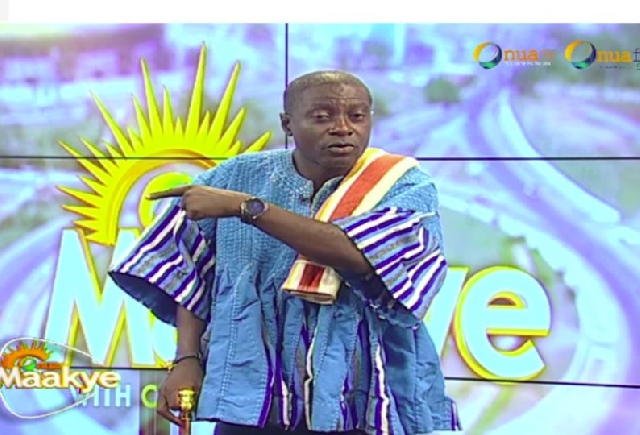
Media General, the parent company of Onua TV and Onua FM, has filed a lawsuit against the National Media Commission (NMC), seeking a perpetual injunction to prevent the NMC from adversely impacting the media operations of the company and its associates.
The legal action follows what the company describes as numerous attempts by the NMC to use its constitutionally mandated office to harass media outlets.
In a statement released by Media General, the company contends that the NMC issued orders to Onua TV and Onua FM that are unlawful.
The lawsuit also asserts that the conduct of the NMC, in refusing to allow the stations to be heard before imposing sanctions, constitutes a breach of the law and natural justice.
The legal action stems from a letter received by Media General from the NMC on November 14, 2023, which complained about a broadcast simultaneously carried by Onua FM and Onua TV. The NMC, in the same letter, imposed sanctions on the two stations without seeking their side of the story.
Media General, in response to the letter, drew attention to the error and emphasized that the stations should be allowed to be heard, as required by the procedures of the NMC’s own Complaints Settlement Committee.
However, according to Media General, Mr. George Sarpong, the Executive Secretary of the NMC, refused to allow the stations to be heard and also did not name any complainant. Sarpong allegedly threatened to suspend the frequency authorizations of the two stations and took other illegal actions.
Media General contends that the actions and posture of the Executive Secretary are arbitrary, unconstitutional, and against the principles of natural justice. The lawsuit aims to stop the NMC from further harassing the two stations.
The company alleges that the NMC, by its actions, has constituted itself into a complainant, a prosecutor, and a judge, and therefore cannot be trusted to be a fair and impartial arbiter in any case against Onua TV/Onua FM.
Media General further reveals that the Executive Secretary wrote to the Advertisement Association of Ghana, threatening advertisers to take steps to advertise on Onua TV and Onua FM.
“The NMC does not have the power to influence editors nor to suspend the frequencies of media houses. If this is allowed to happen, it will be a serious threat to media operations in the country,” the statement warned.
Media General expressed its willingness to cooperate with the NMC to achieve high standards in media practice but emphasized that it will not allow itself to be intimidated, stating, “We shall take all steps to protect our business and editorial independence, including actions from the National Media Commission, which appear to be politically motivated.”


)